The best inverter for most tiny homes
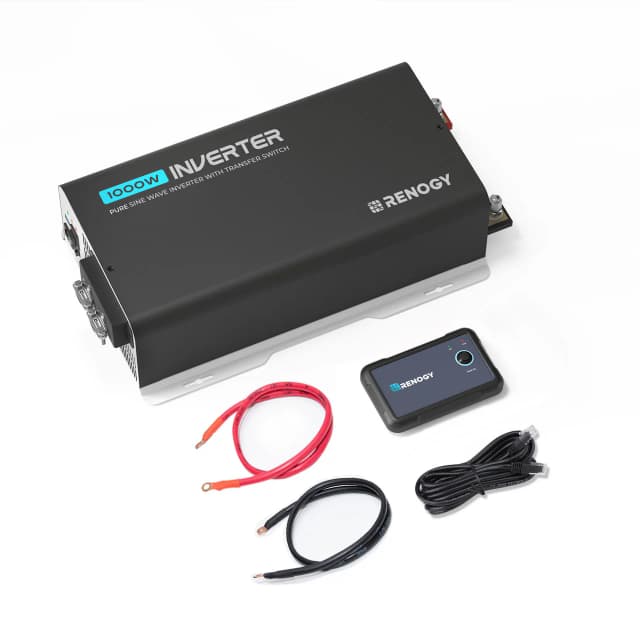
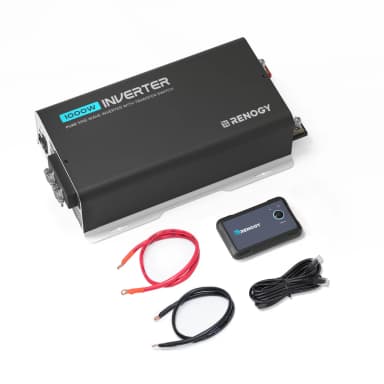
Renogy 1000W 12V Pure Sine Wave Inverter with UPS and BluetoothSeamless backup power with automatic transfer switching and Bluetooth monitoring. Handles essential loads for most tiny house setups.
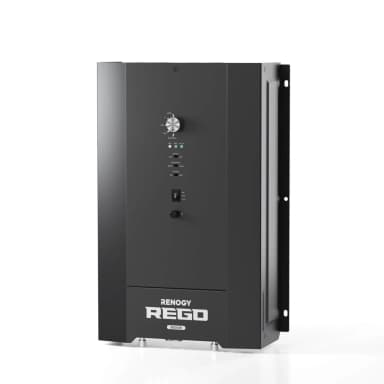
Editor-tested recommendations for tiny homes. Each pick links to our affiliate partner; scroll to full reviews below for pros, cons, and buying advice.

Seamless backup power with automatic transfer switching and Bluetooth monitoring. Handles essential loads for most tiny house setups.
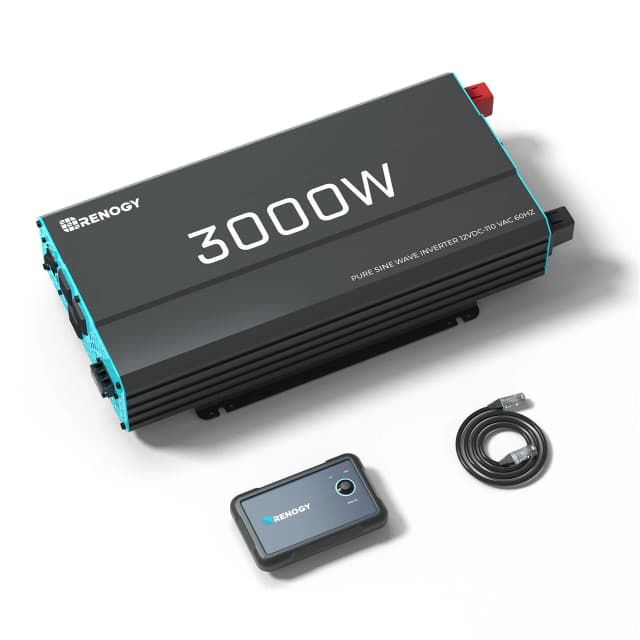
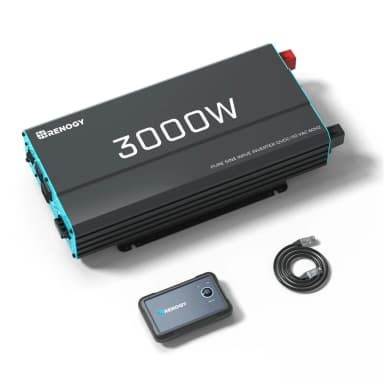
Professional-grade 3000W output with EcoSleep mode that cuts idle draw below 5W. Ideal for full-time off-grid living with high-demand appliances.

Delivers 120V and 240V output simultaneously for full appliance compatibility, including well pumps and electric water heaters.
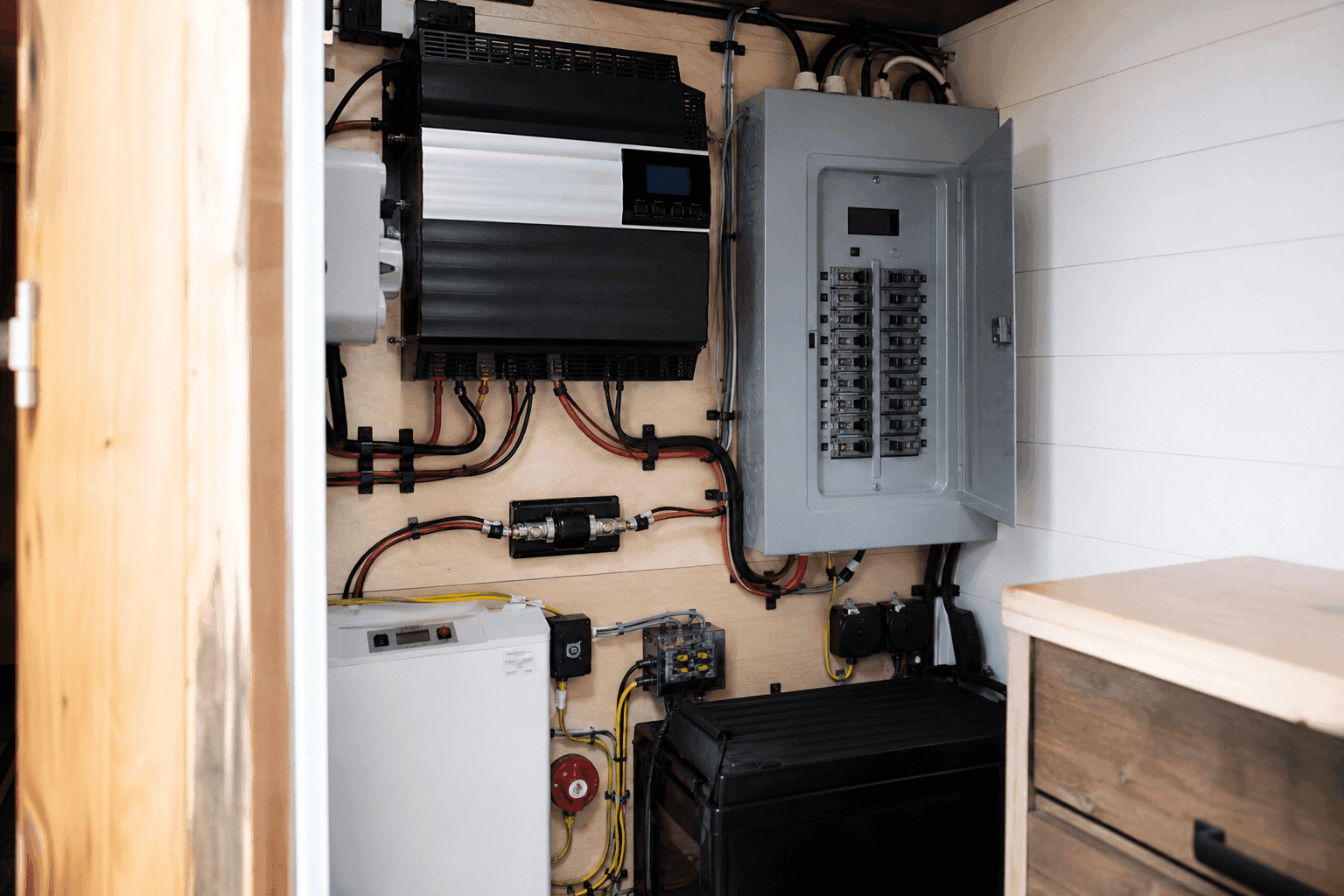
Inverters transform your DC battery power into AC electricity that runs household appliances, making them the critical link between your battery bank and daily living comfort. Without an inverter, you would be limited to 12V DC appliances only, dramatically restricting your options and forcing compromises on everything from refrigeration to entertainment. Pure sine wave inverters produce clean AC power identical to grid electricity, ensuring all your appliances run safely and efficiently.
The difference between pure sine wave and modified sine wave inverters is not just technical but practical. Pure sine wave power protects sensitive electronics including laptops, medical equipment, and modern appliances with microprocessors. Modified sine wave power, while cheaper, causes electronics to run hot, creates audible humming in audio equipment, prevents variable-speed motors from working efficiently, and can damage expensive devices over time. For tiny houses where every appliance represents a significant investment, pure sine wave protection is essential.
Modern inverters with UPS transfer switches and EcoSleep modes provide functionality that was previously only available in professional installations. UPS capability eliminates the jarring interruption when switching between generator and battery power, keeping computers running and preventing appliance resets. EcoSleep modes reduce idle consumption from 30W to under 5W, extending battery autonomy by an entire day in typical tiny house applications. These advanced features transform inverters from simple power converters to intelligent power management systems that optimize energy efficiency while protecting your equipment.
In-depth reviews with pros, cons, and recommendations to help you choose.

Small loads and essential electronics
What we like
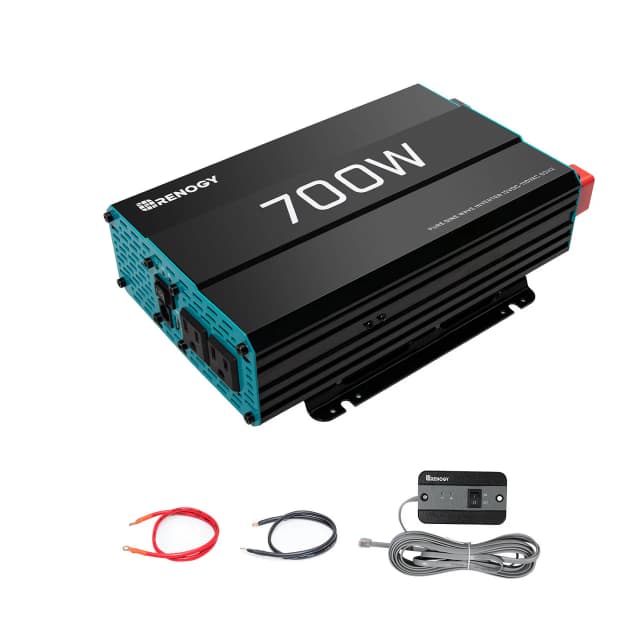
A compact inverter for essential electronics and small appliances. The 700W continuous output with 1400W surge handles laptops, LED lights, fans, and phone chargers.
Other things to know
Pure sine wave protects sensitive electronics. Wireless remote control lets you turn it on and off from anywhere in your tiny house. Works great with 100-200Ah battery banks. Dual cooling fans activate under load, and the aluminum case helps with heat dissipation. Perfect for minimalist setups, weekend use, or starter off-grid systems where you do not need big power but want clean electricity. Cannot run high-power appliances

Seamless backup power with remote monitoring
What we like
The UPS transfer switch is the star here. It switches between battery and shore power in under 20 milliseconds, so computers never reboot and equipment stays running.
Other things to know
When plugged into grid or generator, it passes through power while charging batteries. If shore power drops, you switch to battery instantly. Bluetooth lets you monitor voltage, current, charge level, and temperature from the Renogy app. Adjust settings and get alerts without opening your electrical cabinet. For most tiny houses, this 1000W with 2000W surge hits the sweet spot of power, features, and convenience. Costs more than basic inverters

Essential loads without extra features
What we like
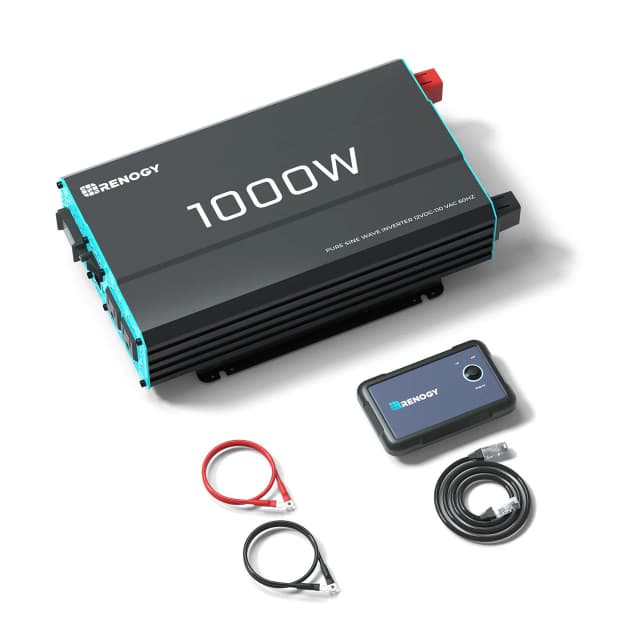
Reliable pure sine wave power without the extras. Handles refrigerators, microwaves, laptops, LED lights, and entertainment systems with 1000W continuous and 2000W surge.
Other things to know
Grid-quality electricity at a lower price than models with UPS or Bluetooth. Includes low voltage protection, overload shutoff, temperature monitoring, and short circuit protection. Wireless remote for on/off control. If you want dependable power conversion without paying for features you will not use, this delivers excellent value. No UPS or Bluetooth

Mid-size systems with motor starts
What we like
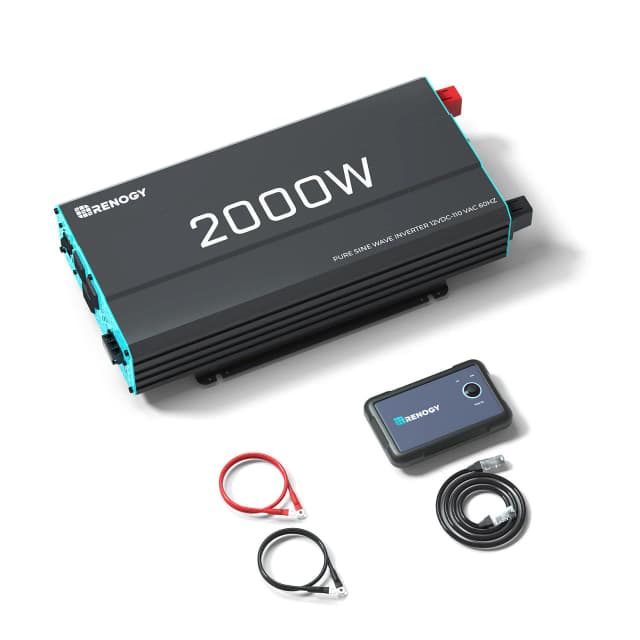
The 4000W surge capacity handles motor starts from refrigerators and air conditioners that need 3-5x their running watts to kick on. Powers window ACs, microwaves, coffee makers, and power tools.
Other things to know
At 2000W, you need 2-4 parallel 100Ah batteries, keeping the system manageable. Variable-speed fans adjust based on load and temperature, staying quiet during light use. Pure sine wave keeps motors running efficiently without the overheating issues of modified sine wave. A great balance between capability and battery requirements for most tiny houses. Needs 200-400Ah for extended runtime

Uninterrupted power with smart monitoring
What we like
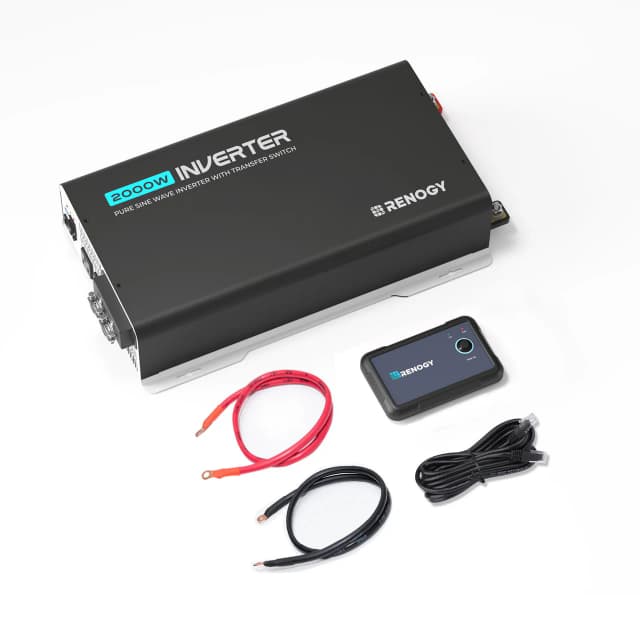
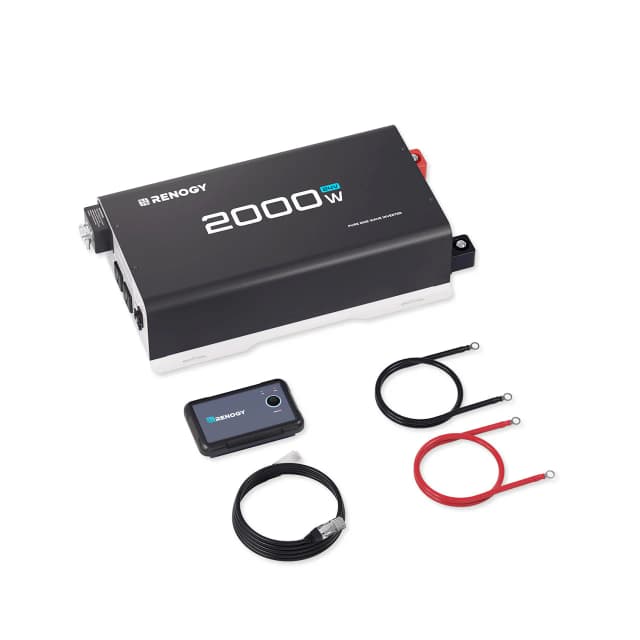
Combines 2000W capacity with UPS backup and Bluetooth monitoring. The sub-20-millisecond transfer keeps computers running and medical equipment powered during source switches.
Other things to know
Essential for remote workers or anyone who cannot tolerate power blips. Track real-time power use, battery charge, and historical patterns from your phone. Set alerts for faults and adjust low voltage cutoffs remotely. For tiny houses running AC or power tools that also need rock-solid backup, this delivers both capability and smart control. Higher cost than basic 2000W

24V systems with improved efficiency
What we like
At 24V, this inverter draws half the current of a 12V equivalent (83A vs 166A), cutting power loss in wiring and connections. Instead of expensive 2/0 AWG wire for 2000W at 12V, you can use 2 AWG at 24V, saving 60% on cable cost while making installation easier.
Other things to know
The compact design fits smaller electrical cabinets thanks to reduced heat from lower current flow. Perfect for medium-power applications where efficiency matters, especially with longer cable runs between batteries and inverter. Just make sure you have a 24V battery bank. Requires 24V battery bank

Hybrid systems with generator backup
What we like
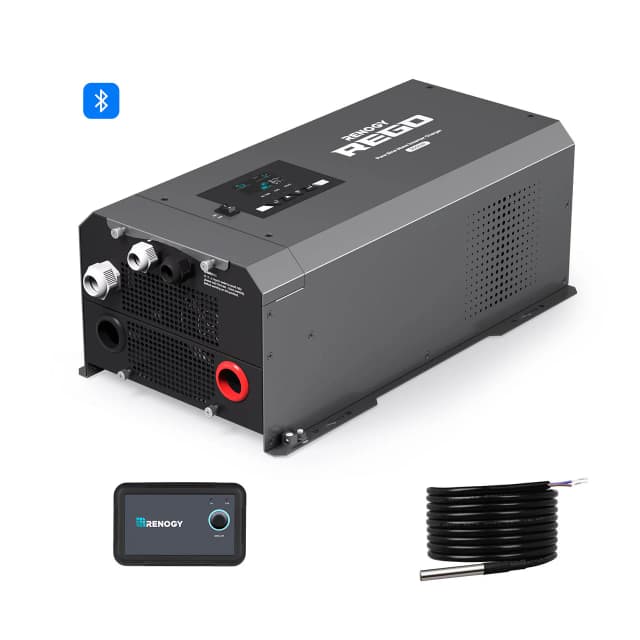
Combines a 3000W inverter with 9000W surge and a built-in battery charger. When solar runs low, it can auto-start a generator, charge batteries, power your loads, then shut down the generator when charged.
Other things to know
The LCD shows system status without needing a phone app. The 3-stage charging algorithm works with lead-acid, AGM, gel, and lithium batteries. For hybrid systems mixing solar with occasional generator backup, this all-in-one unit simplifies everything while keeping your system running smoothly during cloudy stretches. Higher cost than separate units

Full appliance compatibility with 120V and 240V loads
What we like
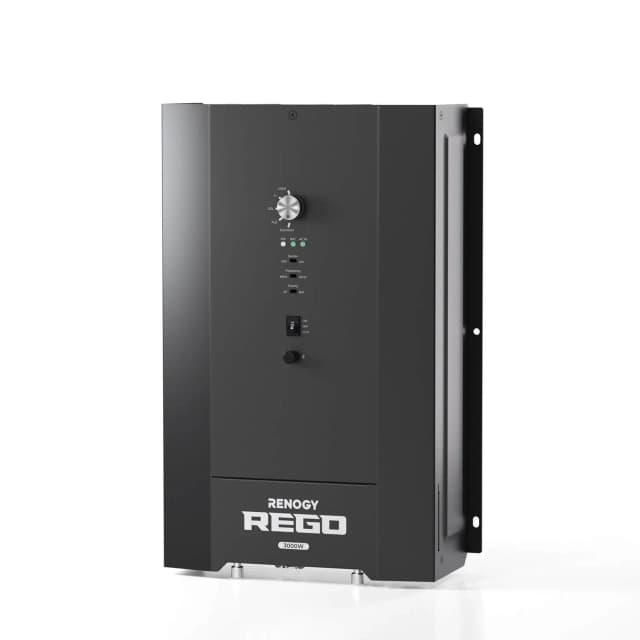
Split-phase gives you both 120V and 240V simultaneously, just like grid power. Two 120V legs create 240V between them for well pumps, electric water heaters, and shop equipment, while standard circuits run off 120V.
Other things to know
Power everything from LED lights to 240V appliances from one inverter. The built-in charger handles generator or shore power when available. High-frequency design is lighter and more efficient than transformer-based inverters. For full-time off-grid living without appliance restrictions, split-phase delivers grid-equivalent power from batteries. Professional install recommended

High-efficiency 48V systems with integrated solar charging
What we like
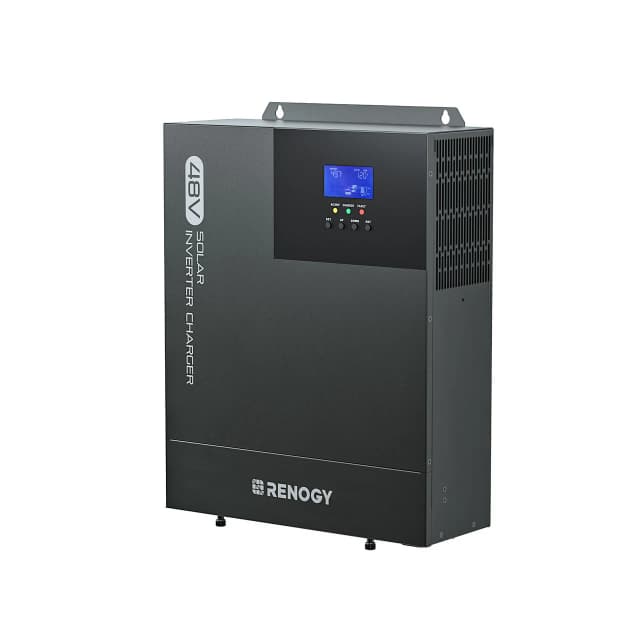
Operating at 48V cuts current dramatically, allowing smaller wire gauges and reducing power loss. For large systems generating 3kWh or more daily, 48V can improve efficiency by 5-10% compared to 12V.
Other things to know
The unit includes both an MPPT solar charge controller and an AC charger in one box. Priority settings let you choose solar, battery, or generator first based on your conditions. Pure sine wave works with all appliances including sensitive electronics and variable-speed motors. For serious off-grid builds with big battery banks and solar arrays, 48V delivers professional efficiency. Requires 48V battery bank

Large off-grid systems with high continuous loads
What we like
EcoSleep mode is the game changer. Standard inverters waste 480-720Wh daily on idle consumption.
Other things to know
This one drops to under 5W when nothing is running, then wakes instantly when you flip a switch. That can extend your battery autonomy by a full day. 3000W continuous with 6000W surge handles window ACs, well pumps, and power tools all at once. Over 90% efficiency keeps heat down and runtime up. Remote control works from anywhere. For big off-grid systems, this delivers serious power without the idle drain. Needs substantial battery bank