Why Is My Tiny House Not Selling?
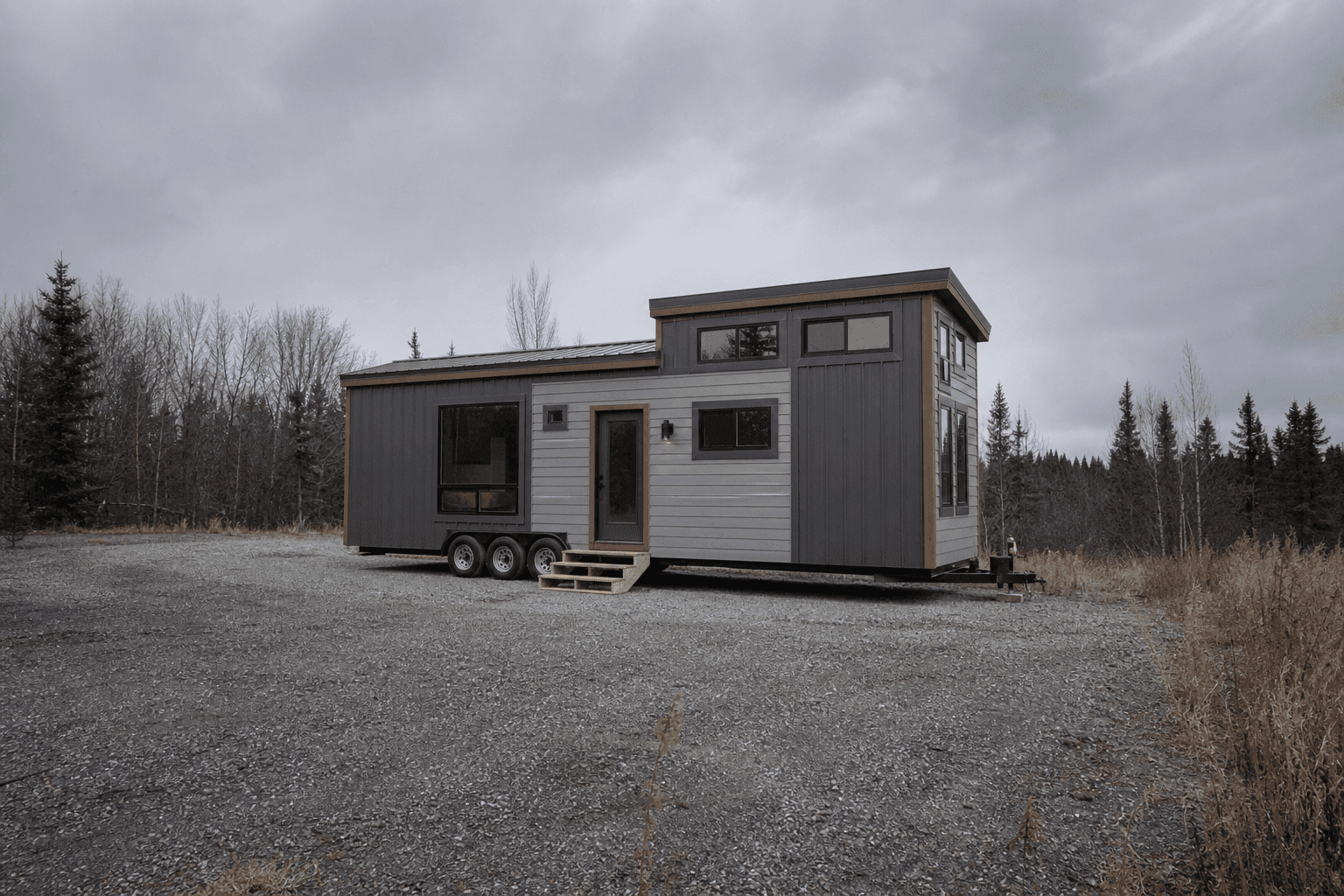
Understanding Why Tiny Houses Stall
If your tiny house has been listed for weeks or months with little interest, you are not alone. Tiny houses sell differently than traditional homes, and small mistakes can have a big impact. Pricing, photos, legal details, and where you list all matter more in the tiny house market.
This guide breaks down the most common reasons a tiny house does not sell and what you can do to fix each one. Whether the problem is obvious or hidden, identifying it is the first step toward getting your tiny house sold.
Your Tiny House Is Priced Too High
Pricing is the most common reason a tiny house does not sell. Buyers compare listings closely, and many tiny houses are custom builds with no clear market comps. This often leads sellers to price based on cost instead of demand.
Common Pricing Mistakes
- Pricing based on build cost instead of buyer demand
- Ignoring depreciation for tiny houses on wheels
- Not adjusting price after weeks with no inquiries
How to Fix It
- Compare active listings: Look at what similar tiny houses are actually selling for, not just asking prices
- Adjust for depreciation: Factor in size, age, mobility, and current condition
- Be willing to reduce: If there is no interest after 30 days, a price change is usually needed
Learn How to Price Correctly
Setting the right price from the start attracts serious buyers and reduces time on market.
You Are Listing in the Wrong Places
Tiny houses are a niche product. Listing on the wrong platforms can mean your listing never reaches serious buyers. General marketplaces attract casual browsers, not committed tiny house shoppers.
Common Issues
- Listing only on general marketplaces
- Not using tiny house focused platforms
- Relying on social media alone
Better Approach
- List on platforms that attract tiny house buyers
- Use multiple listing channels
- Make your listing easy to find and share
Find the Right Platforms
Reach buyers who are actively searching for tiny homes instead of general real estate.
Your Listing Photos Are Hurting Interest
Most tiny house buyers shop online first. Poor photos stop buyers before they ever read the description. In a visual market, your images are often the first and last impression.
Photo Problems That Stop Buyers
- Dark or cluttered interiors that make spaces look smaller
- Missing exterior photos that show the overall condition
- No shots showing layout, storage, or loft areas
- Blurry or low resolution images
Photo Tips That Work
Use natural light and wide angles. Show lofts, storage, and the bathroom clearly. Include exterior shots and the towing setup if your tiny house is mobile. Clean every surface before photographing.
Improve Your Photos
Quality photos can be the difference between a quick sale and a stale listing.
Your Listing Description Is Not Clear or Compelling
Tiny house buyers need details. A vague or short description creates doubt. When buyers have questions that your listing does not answer, they move on to the next option.
What Buyers Want to Know
Your listing should clearly explain square footage, utility setup, whether the home is movable or fixed, build materials, appliance details, and any certifications.
Address common buyer questions upfront. Write for clarity, not hype. Every missing detail is a reason for buyers to hesitate.
Write a Better Listing
A clear, detailed description builds trust and reduces back and forth with buyers.
Legal or Zoning Issues Are Scaring Buyers Away
Tiny house buyers are cautious. If legality is unclear, many will move on. Legal concerns are one of the biggest deal breakers in the tiny house market, even when the home itself is in perfect condition.
Common Legal Concerns
- Title or registration issues for tiny houses on wheels
- Zoning uncertainty for where the home can be placed
- Insurance limitations that create buyer risk
How to Fix It
Be upfront about title and registration status. Share what buyers need to know for placement and zoning compliance. Provide documentation when possible, including build specifications, inspection reports, and any certifications.
Your Tiny House Is Too Custom for the Market
Custom features add value to you, but not always to buyers. What feels like a unique selling point may actually limit your buyer pool.
Examples of Overly Custom Features
- Highly specific layouts designed for one lifestyle
- Unique finishes or colors that limit broad appeal
- Specialized off grid systems without clear explanation
- Custom furniture that cannot be removed
How to Address Custom Features
Focus on benefits, not personal preferences. Explain how custom features support daily living and add practical value. Price realistically for niche designs and be prepared for a longer sales timeline.
The Market or Timing Is Working Against You
Seasonality and market conditions affect tiny houses more than traditional homes. When the broader market slows down, tiny houses often feel it first.
Factors That Slow Sales
- Holiday seasons when buyers pause their search
- High interest rates that limit buyer budgets
- Increased inventory creating more competition
How to Respond
Adjust your expectations during slower periods. Use the downtime to improve your listing quality. Consider being flexible on price or terms when market conditions make selling harder.
Realistic Timeline Expectations
Understanding typical selling timelines helps you plan and adjust.
Buyers Do Not Trust the Listing
Trust is critical in the tiny house market. Buyers are spending significant money on a home that may be harder to resell. If your listing raises any red flags, they will move on.
What Reduces Trust
- Missing documentation
- Incomplete answers to common questions
- No clear contact or follow up
- Vague or evasive responses
What Builds Trust
- Provide clear ownership details
- Respond quickly to inquiries
- Be transparent about condition
- Offer documentation upfront
Gather Your Documents
Having paperwork ready shows buyers you are a serious, organized seller.
You May Need to Relist Strategically
Sometimes the issue is not the house, but the approach. A strategic relist can give your tiny house a fresh start with new buyer attention.
Signs It May Be Time to Reset
- Little to no inquiries after updates
- Listing fatigue from sitting on the market too long
- Price reductions with no response
How to Relist Effectively
Refresh your photos and rewrite your description. Adjust pricing based on current market feedback. Consider listing on additional platforms you have not tried yet.
A relist works best when you make meaningful changes, not just a refresh of the same listing.
Ready to Relist?
Get your tiny house in front of buyers with a fresh, improved listing.
Summary and Next Steps
If your tiny house is not selling, there is always a reason. Pricing, exposure, photos, legal clarity, and trust all play a role. Small changes can make a big difference in buyer interest.
Before giving up, review each area honestly and fix what you can. Many tiny houses sell quickly once the right adjustments are made.
- Review your price: Make sure it matches market reality, not build cost
- Upgrade your photos: Professional quality images attract more serious buyers
- Improve your description: Answer every question a buyer might have
- Address legal concerns: Be transparent about title, zoning, and documentation
- Choose better platforms: List where tiny house buyers actually look
Ready to Make Changes?
List your tiny house on Little Houses For Sale and reach buyers actively searching for their next home.
List Your Tiny House for Sale