Should I Sell or Rent My Tiny House?
The Core Question
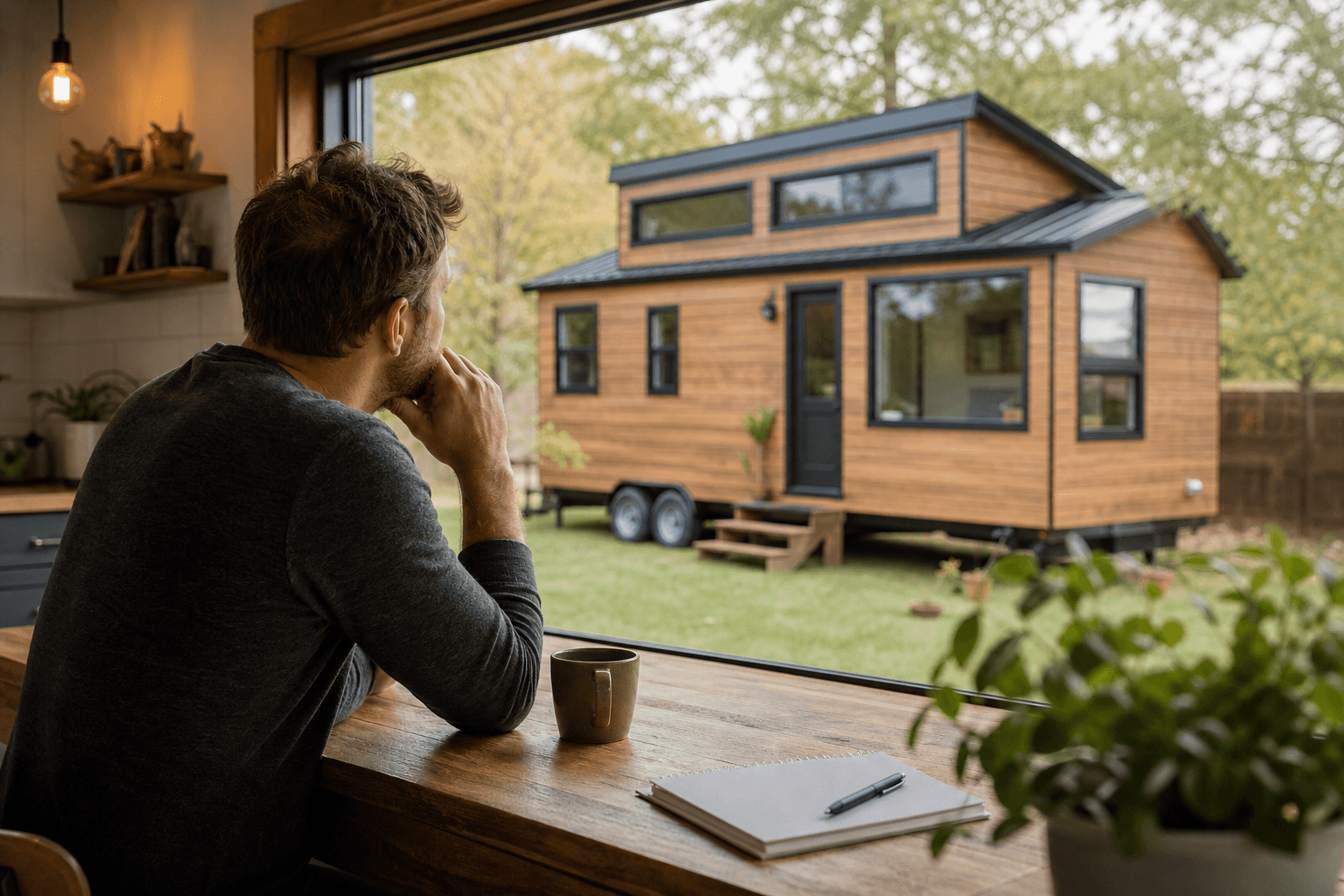
If you own a tiny house and are thinking about your next move, one question usually comes first: should you sell it or rent it out?
There is no one right answer. The better choice depends on your location, how your tiny house is built, your finances, and how much time you want to spend managing it. Selling can give you a clean exit and cash upfront. Renting can create income but comes with ongoing responsibility and legal risk.
This guide walks through the real pros, cons, costs, and scenarios so you can decide which option makes sense for your tiny house. Not just in theory, but in practice.
The Core Difference Between Selling and Renting
Selling and renting solve different problems.
Selling
Cash out and move on
Renting
Keep ownership, earn income
Tiny houses behave differently than traditional homes. Many are on wheels, zoned differently, and financed outside normal mortgages. That makes this decision more nuanced than a typical "sell vs rent" question for a normal house.
When Selling a Tiny House Usually Makes More Sense
Selling is often the better option if simplicity and certainty matter most. Understanding tiny house resale value helps you know what to expect.
Selling may be the right choice if:
- •You are moving permanently or out of state
- •Your tiny house is on wheels and depreciating
- •You do not own the land it sits on
- •You want to avoid landlord laws and liability
- •You need cash for your next home or project
- •You do not want ongoing maintenance or tenant communication
Tiny houses on wheels behave more like vehicles than real estate. In many cases, resale value declines over time, especially if the home is moved often or highly customized.
Before You Sell
Review these guides to understand the selling process and avoid common pitfalls.
When Renting a Tiny House May Make More Sense
Renting can work, but only in the right setup.
Renting may be the better option if:
- •You own the land or have long term legal placement
- •Your tiny house is permitted or allowed where it sits
- •You want monthly income and can handle management
- •You plan to use the tiny house again later
- •Your area has strong rental demand
- •You understand local landlord tenant laws
Long term rentals work best for foundation based tiny houses or legally placed homes. Short term rentals can work in vacation markets but require much more hands on management.
Financial Comparison: Sell vs Rent
Selling (Typical Outcomes)
- •One time payout
- •No future maintenance costs
- •No tenant risk
- •No ongoing legal exposure
- •May involve depreciation instead of appreciation
Renting (Typical Outcomes)
- •Monthly income ($800 to $1,200+ in many markets)
- •Ongoing maintenance and repairs
- •Vacancy risk
- •Insurance and compliance costs
- •Time investment or management fees
Many tiny house owners underestimate the hidden costs of renting:
- •Land rent or lot fees
- •Landlord insurance
- •Repairs between tenants
- •Vacancies
- •Local registration or licensing
Important
Legal and Zoning Factors That Matter More Than Money
Before deciding, confirm what is actually legal.
Key questions to answer:
- •Is your tiny house legal as a rental where it sits?
- •Are short term rentals allowed?
- •Does your state treat tiny homes as dwellings or RVs?
- •Are there tenant protection laws that apply?
In many areas, selling a tiny house has fewer legal barriers than renting one. Understanding tiny house zoning laws in your state is essential before making this decision.
Insurance considerations also differ significantly between selling and renting.
Time, Effort, and Lifestyle Reality Check
| Aspect | Selling Requires | Renting Requires |
|---|---|---|
| Communication | Buyer communication during sale | Ongoing tenant communication |
| Property Work | Showings and inspections | Repairs and maintenance |
| Administration | Sale paperwork (one time) | Tenant screening and legal compliance |
| Conflict | Minimal after sale | Conflict management ongoing |
| Duration | 3 to 6 months typical | As long as you rent it |
Reality Check
If you do not want a second job, selling is often the healthier choice.
Special Case: Rent to Own and Hybrid Options
Some owners consider rent to own agreements.
These can:
- •Reduce vacancy
- •Create buyer commitment
- •Delay selling in a slow market
But they also:
- •Increase legal complexity
- •Delay cash
- •Create risk if buyers default
Rent to own only makes sense with clear contracts and legal advice. Most tiny house owners are better served by choosing a clean sale or a straightforward rental.
A Simple Decision Framework
Ask yourself:
Decision Questions
- Do I want cash now or responsibility later?
- Is my tiny house legally rentable where it sits?
- Would rental income clearly exceed costs?
- Do I want to manage tenants or avoid them?
- Am I emotionally attached to the home?
Rule of Thumb
If You Decide to Sell: Next Steps
If selling is the right path:
- 1.Prepare your tiny house for buyers: Clean, stage, and photograph well
- 2.Price it realistically: Use market data, not emotions
- 3.Use platforms that attract serious buyers: List where tiny house buyers actually search
Next Steps for Selling
Learn the best practices for pricing, staging, and listing your tiny house.
Ready to Sell?
List your tiny house on Little Houses For Sale and reach buyers actively searching for their next home.
List Your Tiny House for SaleIf You Decide to Rent: Proceed Carefully
If renting makes sense:
- 1.Confirm zoning and insurance: Verify your tiny house can legally be rented
- 2.Calculate real profit, not gross rent: Subtract all expenses including vacancies
- 3.Decide if you will self manage or outsource: Factor management costs into your decision
Important
The Bottom Line
Selling or renting a tiny house is not about ideology. It is about fit.
Selling offers simplicity and certainty. Renting offers income but demands time, legal awareness, and patience.
The best decision is the one that matches your finances, your tolerance for risk, and how involved you want to be after today.
Still Deciding?
Understanding what your tiny house is worth and how long sales take can help you make a more informed choice. If your tiny house has been on the market, learn why your tiny house is not selling and what to fix.