10 Best States for Tiny Houses in the US 2026
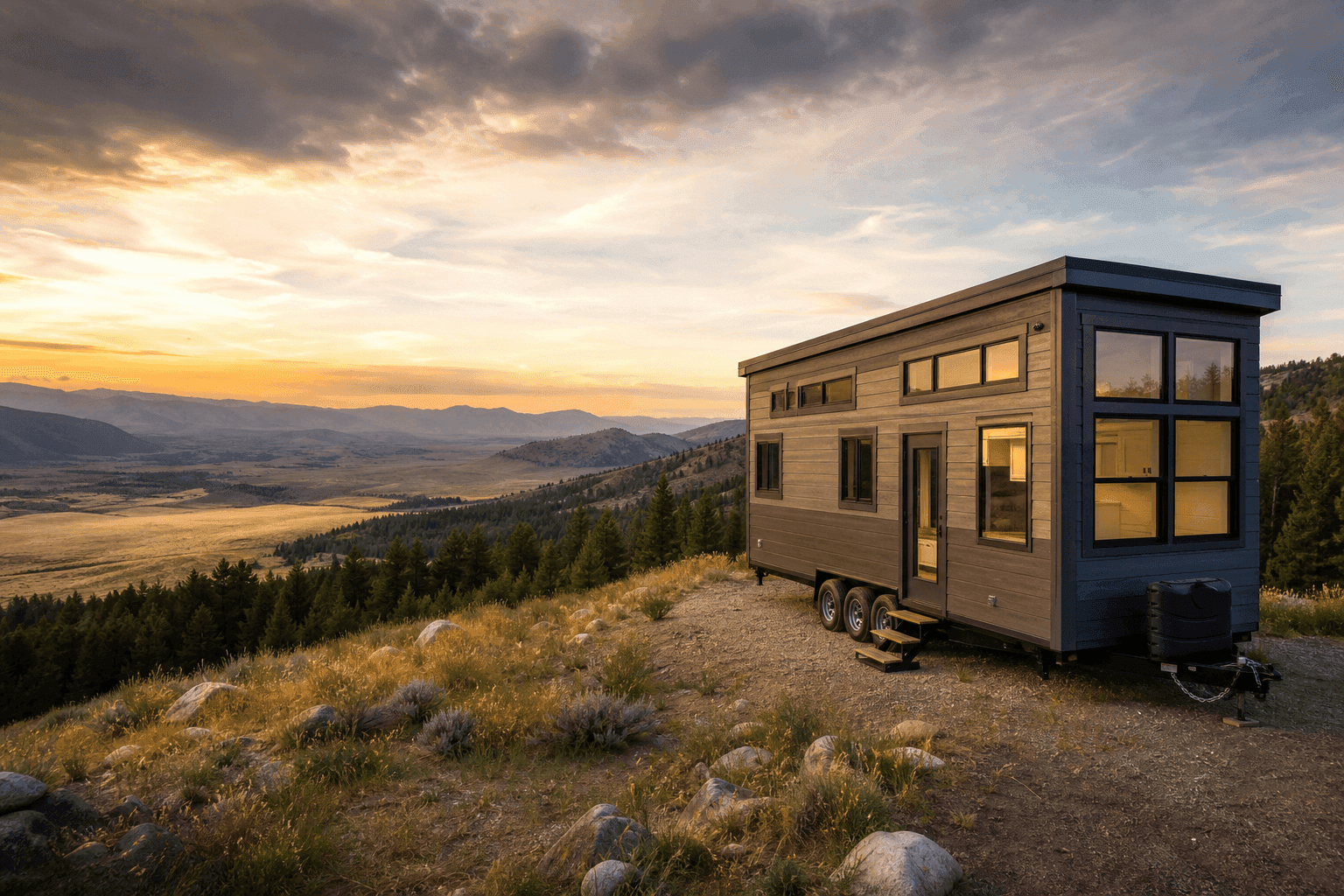
Tiny houses are more popular than ever. Many people are choosing them for a simpler life, lower costs, or the ability to travel with a home on wheels. But tiny house living is not the same everywhere in the United States. Laws, building codes, zoning rules, and local acceptance vary from place to place, and those differences can make or break your tiny house plans. National state laws do not always make tiny homes illegal, but local rules often decide if you can live full time in one.
This page lists the top 10 states for tiny house living in 2026. These rankings are based on things like how easy it is to find land or zoning for a tiny home, how flexible local rules tend to be, cost considerations, climate, and where tiny home communities or ADU laws help tiny homeowners succeed. Location also affects how long it takes to sell in different states. Because local rules still matter more than state law, always check county and city zoning before you build or move a tiny house.
Quick Summary – Top 10 Best States for Tiny Houses (2026)
| Rank | State | Best For | Notes |
|---|---|---|---|
| 1 | Texas | Broadest acceptance and flexibility | Many rural counties are friendly and tiny house communities exist |
| 2 | California | ADU options and progressive zoning | Strong ADU frameworks but some expensive areas |
| 3 | Oregon | Progressive housing laws | Flexible zoning options in many cities |
| 4 | Florida | Warm climate and RV park options | Local rules vary widely |
| 5 | Colorado | Outdoor living and relaxed rural codes | Urban areas can be strict |
| 6 | North Carolina | Growing tiny home interest | Local rules vary by county |
| 7 | Georgia | Affordable cost, warm weather | Mixed local acceptance |
| 8 | Arizona | Pima County and rural flexibility | Climate and zoning good in many areas |
| 9 | Tennessee | Growth in rural tiny home living | Local rules vary widely |
| 10 | Idaho | IRC code with tiny home support | Often friendly to ADUs and foundation homes |
What We Mean by "Tiny House"
A tiny house typically refers to a small dwelling under 400 square feet. Some tiny houses are built on a foundation and are treated like a small home. Others are built on a trailer chassis and are classified like recreational vehicles (RVs), also called THOWs (tiny houses on wheels). How a home is classified affects what zoning and building codes apply.
Because tiny house laws are mostly local, both city and county rules matter more than state law. In some places tiny homes can be built like small houses, in others they must meet RV rules or use ADU (Accessory Dwelling Unit) pathways.
How We Ranked These States
We evaluated each state on these key factors:
Legal Pathways: How easy local governments tend to be with tiny homes, ADUs, or small dwellings
ADU Laws: Whether the state or major cities allow tiny houses as backyard dwellings or accessory housing
Land Availability: How common rural areas with flexible rules are
Climate: Average weather conditions that support year-round tiny home living
Community Strength: Presence of tiny house communities and industry interest
Important Note
This list does not guarantee tiny houses are legal everywhere in a state. Zoning is local. Always check rules before moving or building.
#1 Texas – Best All-Around State for Tiny Houses
Best For: Wide range of options, rural flexibility, and larger tiny house communities.
Texas is often ranked as one of the top states for tiny home living. It has a high number of tiny house communities, multiple builders, and many counties where tiny houses are allowed on private land or as RVs. Rural areas outside major cities often have fewer restrictions, and communities like Spur, Texas passed early tiny home friendly resolutions that removed minimum size rules for dwellings.
Tiny House on Wheels: Many rural and unincorporated county areas accept THOWs with minimal zoning restrictions.
Foundation Tiny Houses: In areas where residential zoning allows small dwellings or ADU-style units, foundation tiny houses are often permitted.
Local Planning Tip
Next in Texas: Tiny houses for sale in Texas · Texas zoning laws by county · 13 tiny house communities in Texas · Texas tiny house builders
#2 California – Strong ADU and Urban Options
Best For: Accessory dwelling units (ADUs), urban tiny house living, and policy support.
California has one of the most progressive housing law landscapes for small dwellings, largely through ADU law reforms that make it easier to build secondary dwellings on single-family lots. The California HOME Act and other laws help support not only ADUs but the construction of additional small living units on residential land.
Tiny House on Wheels: Some cities allow THOWs as secondary dwellings or through innovative zoning, but you must check local codes.
Foundation Tiny Houses: Through ADUs and local codes, you can often build smaller dwellings on residential plots.
Watch Out
Housing costs and land prices in many parts of California are high, so affordability varies widely. Consider inland or rural areas for better value.
Next in California: Tiny houses for sale in California · California zoning laws by county · 11 tiny house communities in California · California tiny house builders
#3 Oregon – Progressive Zoning and Strong Support
Best For: Friendly zoning codes and inclusionary housing policies.
Oregon is known for progressive housing policies that encourage alternative housing types, including tiny homes. Some cities have zoning laws that make it easier to place small homes, and statewide efforts have reduced barriers to alternatives to traditional single-family housing.
Tiny House on Wheels: In many rural and some urban areas, small dwellings are permitted with local approval.
Foundation Tiny Houses: Several counties allow tiny homes under building code exceptions for small homes.
Good Option
Next in Oregon: Tiny houses for sale in Oregon · Oregon zoning laws by county · 11 tiny house communities in Oregon · Oregon tiny house builders
#4 Florida – Warm Climate and Community Options
Best For: Warm weather and varied local zoning.
Florida's warm climate and extensive network of RV parks and tiny house communities make it appealing for both seasonal and full-time tiny living. Some counties and cities have adopted rules friendly to smaller dwellings, and RV parks often allow tiny houses on wheels.
Watch Out
Local zoning varies, and some areas enforce minimum dwelling sizes. Hurricane-prone coastal areas may have stricter building codes for permanent structures.
Next in Florida: Tiny houses for sale in Florida · Florida zoning laws by county · 11 tiny house communities in Florida · Florida tiny house builders
#5 Colorado – Nature + Growing Acceptance
Best For: Outdoor lifestyle and mixed rural zoning.
Colorado attracts tiny homeowners who love mountain views and outdoor living. Some counties have embraced tiny homes, and there are numerous communities and festivals celebrating tiny living.
Tiny House on Wheels: More accepted in rural counties where zoning is less restrictive.
Foundation Tiny Houses: Some places allow tiny homes as small dwellings with local approval.
Watch Out
Urban building codes can be strict, and you must check county rules. Mountain communities may have additional requirements for snow loads and heating.
Next in Colorado: Tiny houses for sale in Colorado · Colorado zoning laws by county · 10 tiny house communities in Colorado · Colorado tiny house builders
#6 North Carolina – Growing Tiny House Interest
Best For: Affordability and emerging tiny house communities.
North Carolina has a mix of rural land with fewer zoning restrictions and growing interest in tiny houses, especially around Asheville and other scenic areas. The state offers relatively affordable land prices compared to coastal states.
Planning Tip
Next in North Carolina: Tiny houses for sale in North Carolina · North Carolina zoning laws by county · 10 tiny house communities in North Carolina · North Carolina tiny house builders
#7 Georgia – Affordable Living + Growing Acceptance
Best For: Affordability and mild climate.
Georgia offers relatively affordable living costs and mild weather, which can make tiny living more pleasant year-round. Many rural areas have flexible land-use rules that accommodate alternative housing.
Watch Out
Some metro areas still have strict codes. Focus on rural counties outside Atlanta for more flexibility.
Next in Georgia: Tiny houses for sale in Georgia · Georgia zoning laws by county · 7 tiny house communities in Georgia · Georgia tiny house builders
#8 Arizona – Rural Flexibility and Pima County Support
Best For: Strong county code support in parts of the state.
Arizona, especially Pima County around Tucson, has zoning adjustments that allow tiny houses on permanent foundations in zones that permit detached dwellings, which helps tiny homeowners. The dry climate is ideal for off-grid living with solar power.
Zoning Tip
Next in Arizona: Tiny houses for sale in Arizona · Arizona zoning laws by county · 10 tiny house communities in Arizona · Arizona tiny house builders
#9 Tennessee – Rural Tiny House Growth
Best For: Rural acceptance and scenic areas.
Tennessee has seen growth in tiny house living, especially in rural regions where zoning is less strict. The state offers beautiful mountain and valley landscapes, making it attractive for those seeking natural settings.
Verification Tip
Next in Tennessee: Tiny houses for sale in Tennessee · Tennessee zoning laws by county · 13 tiny house communities in Tennessee · Tennessee tiny house builders
#10 Idaho – Clear Small Home Code and Growing Support
Best For: Clear small home construction standards.
Idaho's adoption of small home building code standards and updates to local zoning in areas like Boise help make tiny house construction easier. The state has seen increasing interest in alternative housing options.
Code Tip
Next in Idaho: Tiny houses for sale in Idaho · 11 tiny house communities in Idaho · Idaho tiny house builders
What to Do Next
If you're considering tiny living, think about:
- Choose your tiny house type: Decide whether you want a home on wheels for mobility or on a foundation for permanence
- Check local zoning: Contact county and city planning departments before buying land or a tiny house
- Research ADU laws: If building on an existing property, understand accessory dwelling unit regulations in your area
- Talk to local planners: Schedule a meeting with your local planning department before making any investment