Cost to Sell a Tiny House in the US (2026 Guide)
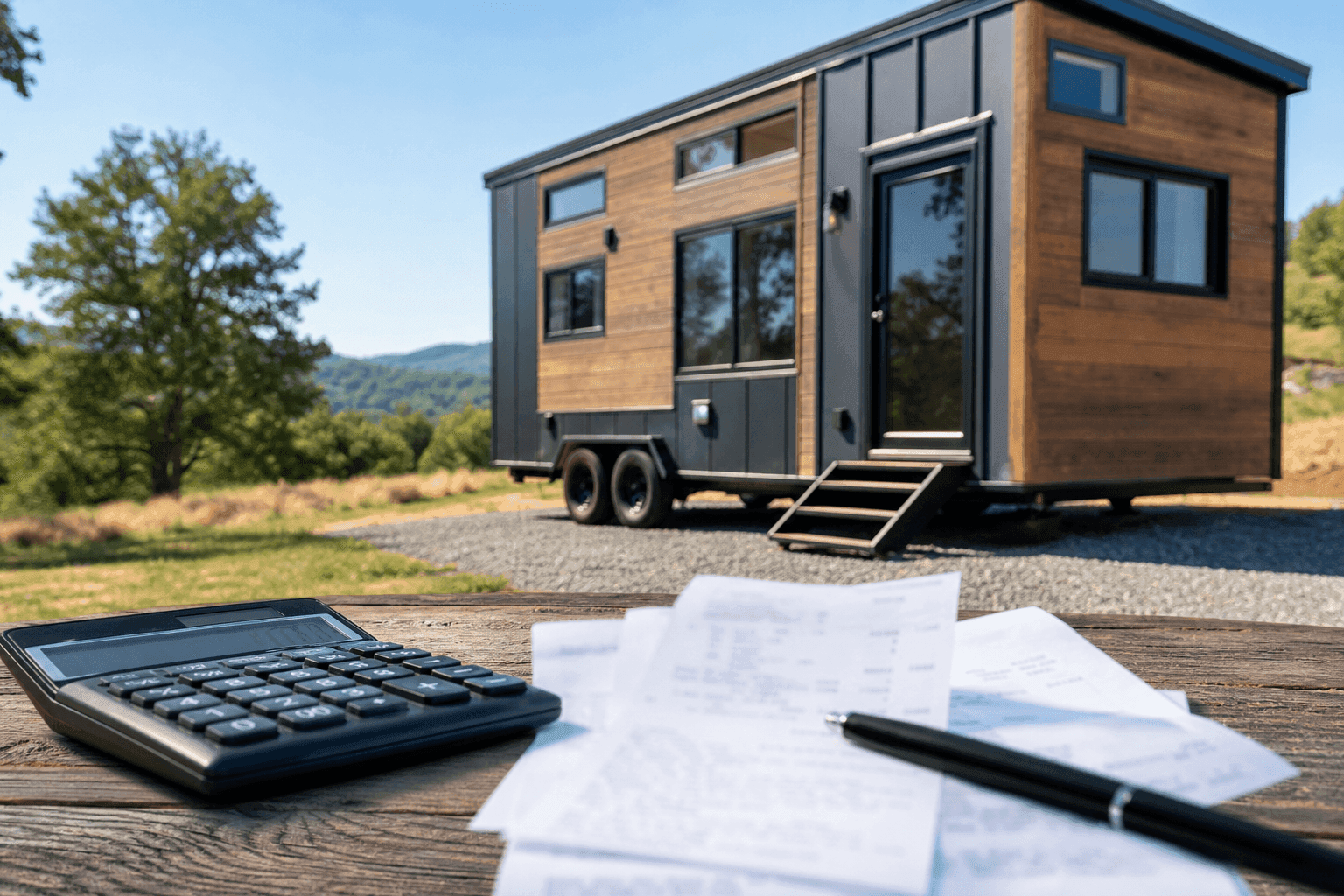
What Does It Really Cost to Sell a Tiny House?
Selling a tiny house is usually simpler than selling a traditional home, but it is not free. Many sellers focus only on the listing price and forget the smaller costs that can affect how fast a tiny house sells and how much money they actually take home.
The cost to sell a tiny house depends on several factors, including whether the home is on wheels or on a foundation, how prepared it is for showings, how it is priced, and where it is listed. Some sellers spend very little beyond basic preparation, while others invest more upfront to attract serious buyers faster. It also helps to understand tiny house resale value so you know what to expect.
This guide breaks down the real costs involved in selling a tiny house in the United States in 2026, including preparation, pricing mistakes, listing fees, transport considerations, and paperwork. The goal is not to scare sellers, but to help them understand what to expect and how to avoid unnecessary expenses.
The Biggest Factors That Affect the Cost to Sell a Tiny House
Before looking at specific costs, it helps to understand what drives them.
The total cost to sell a tiny house is influenced by whether the tiny house is on wheels or on a permanent foundation, the condition and presentation of the home, how accurately the home is priced, how and where it is listed, and whether transport is required for the sale.
Unlike traditional real estate, tiny houses are often sold directly by owners without agents. This can lower costs, but it also means sellers handle more of the process themselves.
Preparing a Tiny House for Sale (The Most Common Costs)
Photography and Visual Presentation
High-quality photos are one of the most important factors in selling a tiny house. Buyers rely heavily on photos because they are often purchasing from another city or state.
Common costs include time spent cleaning and staging, using a modern phone camera or basic camera equipment, and optional professional photography if the seller is not comfortable taking photos themselves.
You do not need expensive equipment. Many sellers use newer smartphones successfully. What matters most is good lighting, clear angles, and showing the full layout of the space.
Photo Tip
Cleaning, Staging, and Minor Repairs
Tiny houses feel smaller when cluttered. Before listing, sellers should remove personal items, organize storage areas, and clean surfaces, floors, and windows thoroughly.
Minor repairs also matter. Fixing loose hardware, addressing small leaks, and replacing broken fixtures are usually low-cost tasks, but ignoring them can delay a sale or reduce buyer confidence.
Pricing a Tiny House Correctly (Avoiding Costly Mistakes)
Pricing mistakes are one of the most common hidden costs when selling a tiny house. Understanding how to price a tiny house correctly from the start can save significant time and money. Avoiding common selling mistakes that increase costs also helps protect your bottom line.
Pricing Too High
Reduces interest from buyers, causes listings to sit longer, and often leads to price reductions later.
Pricing Too Low
Can lower perceived value, may cause buyers to assume something is wrong, and can reduce the final sale price.
Many sellers compare similar tiny house listings to determine a reasonable range. The goal is to price the home in line with size, quality, age, and features, not to win attention with the lowest number.
A properly priced tiny house often sells faster and with fewer negotiations, which reduces overall selling effort and stress.
Listing Fees and Platform Costs
Free vs Paid Listing Platforms
Some platforms allow tiny house listings at no cost. Others may charge listing fees, fees to communicate with buyers, or premium placement fees for better visibility.
Before listing, sellers should understand whether communication with buyers is included, whether listings expire, and whether there are optional upgrades available.
Platform Choice Matters
Using a platform focused on tiny houses usually results in more targeted inquiries, which can reduce wasted time responding to unqualified buyers.
Using Multiple Platforms
Many sellers list their tiny house on more than one platform, such as a tiny house marketplace, Craigslist, and Facebook Marketplace or groups. This increases visibility without significantly increasing cost. Most of these options are free, but they require more time managing messages.
Transport and Delivery Costs (If Applicable)
Transport is one of the largest potential costs when selling a tiny house on wheels. Not every sale requires delivery, but sellers should consider whether the buyer expects delivery, the distance between seller and buyer, and whether the tiny house is road-ready.
Transport costs vary widely depending on size, weight, and distance. Some buyers arrange transport themselves, while others negotiate delivery into the final price.
Listing Clarity
Paperwork and Documentation Costs
Selling a tiny house is easier when documentation is ready. Common documents buyers may ask for include the title or certificate of origin for the trailer, build receipts or invoices, and electrical or safety inspections if available. You should also understand insurance when selling to ensure proper coverage during the sale process.
Replacing lost paperwork can cost time and money. Having documents organized before listing helps prevent delays and last-minute issues that could derail a sale.
Marketing Time as a Hidden Cost
Time is often overlooked when calculating selling costs. Selling a tiny house may involve answering buyer questions, scheduling showings or video calls, and providing additional photos or measurements on request. Understanding how long it takes to sell a tiny house can help you plan accordingly.
The longer a home sits unsold, the more time the seller spends managing the listing. Clear descriptions, good photos, and accurate pricing reduce this hidden cost.
Typical Cost Ranges to Expect
Every sale is different, but many sellers experience minimal out-of-pocket costs if the home is clean and well-prepared, or moderate costs if transport or professional services are involved.
The most common expenses are preparation-related, not fees. Sellers who plan ahead often spend less overall.
How to Reduce the Cost to Sell a Tiny House
Sellers can lower costs by following a few proven strategies:
Take Clear, Honest Photos: Good lighting and multiple angles help buyers understand the space without requiring a visit
Write Detailed Listings: Include dimensions, features, and condition to reduce back-and-forth questions
Price Realistically: Avoid overpricing that leads to price drops and extended listing time
Use Targeted Platforms: Reach buyers who understand tiny living and are ready to purchase
Prepare Paperwork Early: Having documents ready speeds up the sale process
These steps reduce delays and prevent unnecessary price reductions later.
Where to List Your Tiny House
Where you list affects both cost and outcome.
General platforms offer exposure but mixed buyer intent. Platforms focused on tiny houses attract buyers who understand size, layout, and mobility.
Ready to Choose a Platform?
Compare your options and find the best places to reach serious tiny house buyers.
Where to List Your Tiny HouseWhat to Do Next
If you are planning to sell a tiny house:
- 1.Prepare the home and gather paperwork: Clean, stage, and organize all documentation
- 2.Research comparable listings: Look at similar tiny houses to understand market pricing
- 3.Decide where to list: Choose platforms that reach your target buyers
- 4.Be clear about pricing and transport: Set expectations upfront to avoid negotiation issues
When ready, you can move forward confidently knowing what costs to expect.
Ready to Sell?
List your tiny house on Little Houses For Sale and reach buyers actively searching for their next home.
List Your Tiny House for Sale