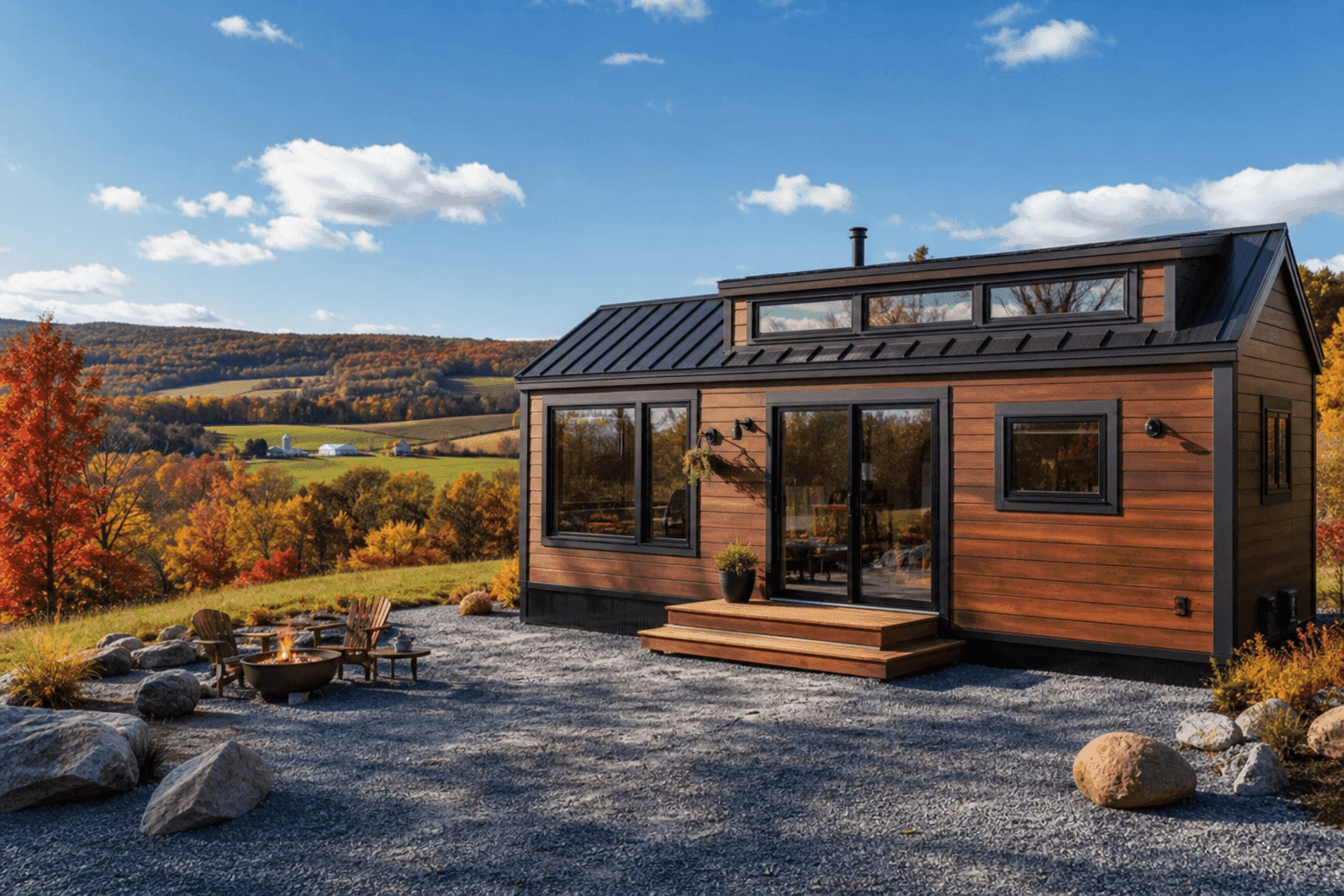
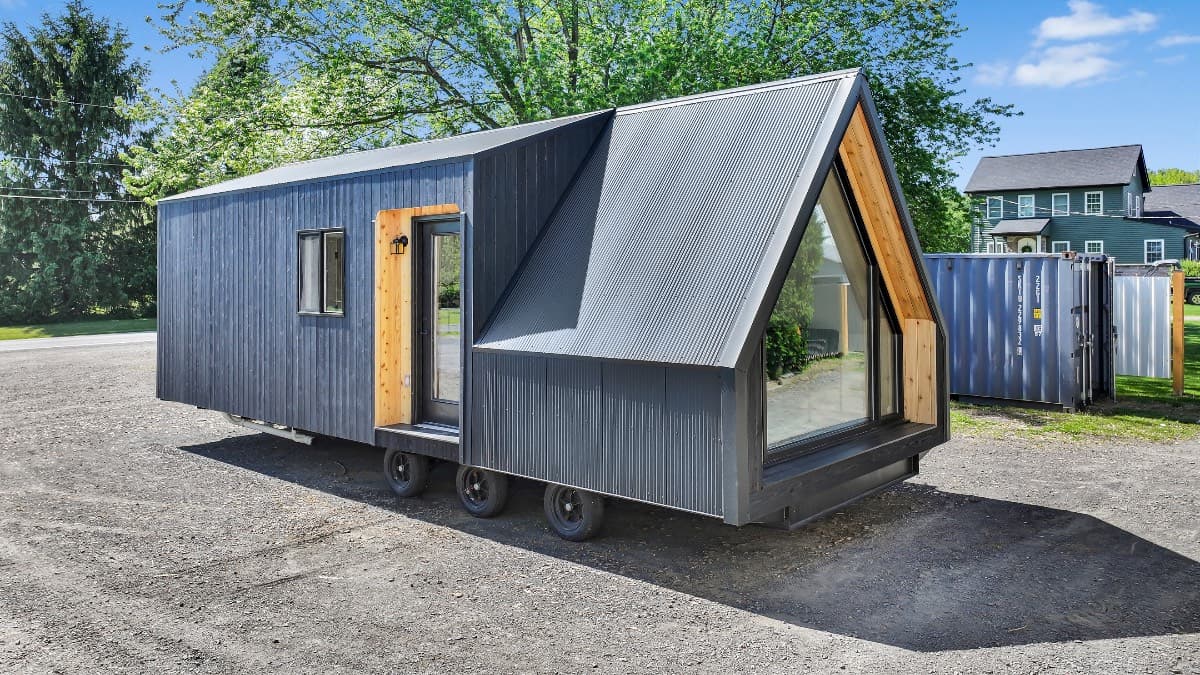
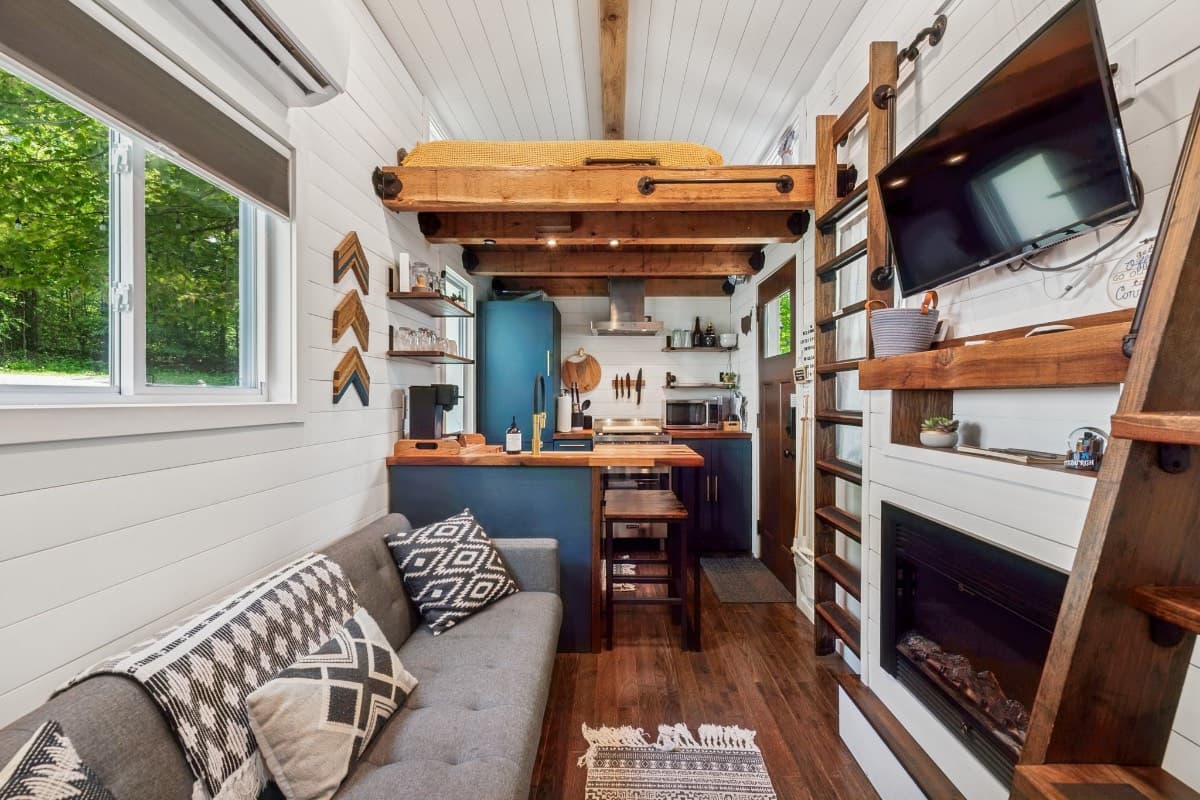
Building a tiny house in Pennsylvania requires understanding the state's unique requirements, from cold snowy winters to varied municipal regulations. These considerations affect design decisions, material selections, and where you can legally place your tiny house.
Climate Requirements
Winter-Ready Construction: Pennsylvania winters can be harsh, with significant snowfall and temperatures well below freezing. Proper insulation is critical, with R-21 walls and R-38 roofs as minimum standards for year-round comfort. Spray foam insulation provides excellent thermal protection and air sealing. Triple-pane windows reduce heat loss through glass. Proper roof design handles snow loads safely.
Heating Systems: Efficient heating is essential for Pennsylvania tiny houses. Mini-split heat pumps work well for most of the state, providing both heating and cooling. Supplemental heating through propane or wood stoves can handle the coldest days. Radiant floor heating provides comfortable warmth in compact spaces. Ensure heating systems are properly sized for the space.
Moisture Management: Pennsylvania experiences both winter condensation issues and humid summers. Proper vapor barriers, adequate ventilation, and moisture-resistant materials prevent mold and structural problems. Bathroom and kitchen exhaust fans should vent directly outside. Consider whole-house ventilation systems for tight construction.
Zoning and Regulations
Pennsylvania tiny house regulations vary significantly by municipality. Philadelphia has developed ADU regulations allowing tiny houses in certain zones. Rural counties, especially in central Pennsylvania and the Poconos, often have minimal restrictions. Lancaster County areas tend to be welcoming due to the region's building heritage. Always research specific local requirements before purchasing.
For tiny houses on wheels, Pennsylvania allows various registration approaches. Parking options include RV parks, private land with owner permission, and some campground communities. The state's tourism industry, particularly in the Poconos, has created opportunities for vacation rental tiny houses.
Cost and Delivery
Pennsylvania tiny house builders typically charge $2 to $4 per mile for delivery. Many Lancaster area builders offer free delivery within 100 miles due to the region's concentration of builders. Cross-state delivery from Philadelphia to Pittsburgh costs approximately $600 to $1,000. Working with Pennsylvania-based builders minimizes delivery costs while ensuring builders understand regional requirements.